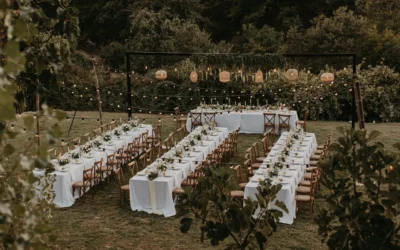
Are you planning a Jewish wedding in Spain and not sure where to start? This guide is for you—a couple wanting to honor your cultural roots while enjoying a unique destination full of history, romance, and seamless logistics. From meaningful traditions to full event planning, here you’ll find everything you need to make your Jewish destination wedding a reality.
Jewish Wedding in Spain
Spain has become one of the top destinations for Jewish weddings, especially for couples coming from abroad in search of charm, great weather, and excellent international connections. Cities like Barcelona, Málaga, Seville, or Granada offer breathtaking architecture, renowned gastronomy, and historical venues—perfect for a soulful celebration.
Jewish Wedding Traditions and Symbols
A Jewish ceremony is filled with symbolism and spirituality. While customs can vary between communities and levels of observance, several elements are considered essential parts of the ritual:
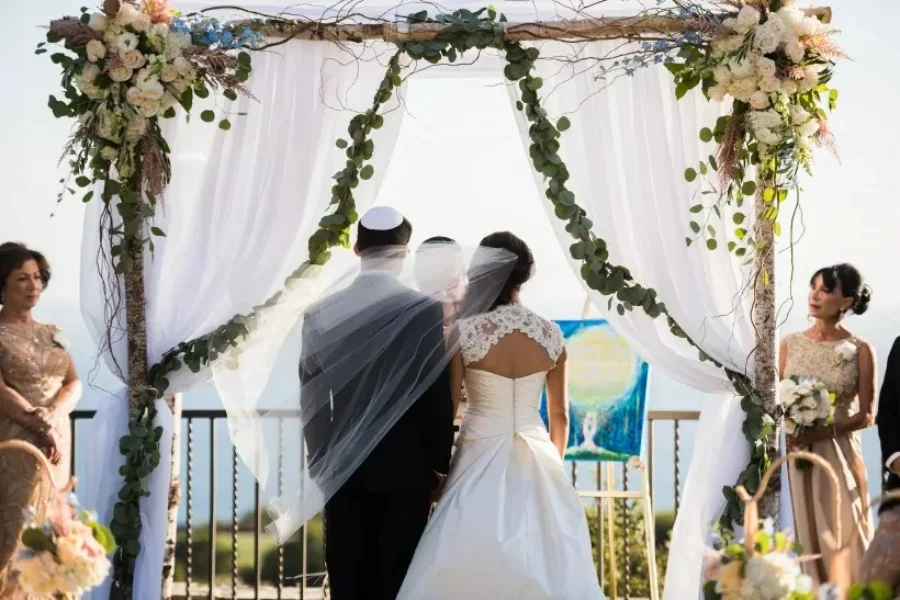
- Chuppah: Represents the new home the couple is building together.
- Ketubah: A marriage contract signed before the ceremony.
- Bedeken: The groom veils the bride’s face, symbolizing modesty and respect.
- Sheva Brachot: Seven blessings recited during the ceremony celebrating love, joy, and the creation of a new home.
- Exchange of rings: Usually plain and unadorned, symbolizing purity and unity.
- Breaking of the glass: A reminder of the destruction of the Temple in Jerusalem and the bittersweet nature of life, even in moments of joy.
- Yichud: A private moment the couple shares alone just after the ceremony.
- Wedding procession: Both bride and groom are traditionally escorted to the chuppah by their parents, marking a transition to a new life stage.
Legal Requirements to Get Married in Spain
If you want your wedding to be legally recognized in Spain, you’ll need to consider the paperwork required based on your nationality and residency. There are two main ways to legally marry in Spain: through a civil ceremony or a religious ceremony with recognized civil effects.
Basic documentation for a civil marriage:
- Valid passport or national ID of both partners.
- Certified birth certificate issued in your home country.
- Certificate of residence (if one partner lives in Spain).
- Certificate of no impediment or single status (apostilled and translated if foreign).
- Formal application submitted to the Civil Registry where the wedding will take place.
Key considerations:
- The process can take between 30 to 90 days, depending on the city or registry office.
- If you’re only planning a symbolic Jewish ceremony, legal paperwork in Spain isn’t necessary.
- Many couples choose to marry civilly in their home country and hold a symbolic Jewish wedding in Spain as their destination celebration.
This legal wedding guide in Spain explains the process step by step. If you need personalized assistance to understand the legal process or plan your destination wedding from abroad, don’t hesitate to contact us for full support.
How to Organize a Jewish Wedding in Spain
Planning a Jewish wedding abroad can feel overwhelming at first, but with the right support and good preparation, it can go smoothly. Here are a few key steps:
- Choose the right destination: Andalusia, Catalonia, or the Balearic Islands offer ideal weather, venues, and accessibility.
- Find a rabbi: Make sure they are familiar with your tradition (Sephardic, Ashkenazi, Reform, or Orthodox).
- Decide between symbolic or traditional religious ceremony: This will affect the type of venue, decor, and planning required.
- Hire a wedding planner: Essential for coordinating all aspects, especially when planning from abroad.
Jewish Destination Wedding: How to Plan It from Abroad
If you’re dreaming of a Jewish destination wedding in Spain but live abroad, remote planning requires a solid strategy. Working with professionals who speak your language and understand Jewish culture is crucial. Having local support will also help you choose reliable vendors and manage everything smoothly on-site.
A wedding planner specialized in planning weddings in Spain from abroad can make all the difference for a stress-free experience.
Top Regions in Spain for a Jewish Wedding
Here are the most popular regions in Spain for Jewish weddings, along with their standout advantages:
| Region | Benefits for Jewish Weddings |
|---|---|
| Andalusia | Rich Sephardic heritage, warm weather, historic venues, and good international airport connections. |
| Barcelona | Cosmopolitan city with cultural diversity, experienced vendors, modern infrastructure, and beach views. |
| Balearic Islands | Ideal for beachfront weddings, Mediterranean climate, exclusive venues, and intimate celebrations. |
Budget and Vendors for a Jewish Wedding
Costs can vary widely depending on your guest count and wedding style, but here are the main services to consider from the beginning:
- Rabbi and ceremony: Includes honorarium and travel if needed.
- Photography: Hiring someone with cultural sensitivity is key.
- Catering: If you’re opting for kosher catering, plan ahead and confirm certifications.
- Decor, music, and transportation: These can be tailored to your vision and budget.
Frequently Asked Questions About Jewish Weddings in Spain
Do I need a civil wedding in Spain?
Not necessarily. Many couples hold a symbolic ceremony in Spain and handle the legal process in their home country.
Can an Orthodox Jewish wedding take place anywhere?
Yes, but you’ll need a rabbi willing to perform the ceremony outside of a synagogue or consecrated space.
Is kosher catering available in Spain?
Yes, although not widespread. It’s best to book well in advance and ensure certifications are in place.
What language is used in the ceremony?
This depends on the couple and the rabbi. Ceremonies can be held in Hebrew, Spanish, English—or a mix of them.
What’s the difference between a symbolic and legal Jewish wedding?
A symbolic wedding isn’t legally binding but respects religious traditions. Legal ceremonies require official documentation and registry.
How far in advance should I plan my Jewish wedding in Spain?
Ideally, start 9–12 months ahead, especially if you’re considering a specific date or kosher service providers.
Conclusion: Why Spain is Perfect for Your Jewish Wedding
A Jewish wedding in Spain is the perfect blend of age-old tradition and Mediterranean charm. Whether you’re drawn to Andalusia’s Sephardic legacy or a coastal ceremony in the Costa del Sol, Spain has everything you need for a meaningful and magical celebration. With thoughtful planning and the right local support, your Jewish destination wedding can be everything you envisioned—and more.
Have questions about planning your Jewish wedding in Spain? 💬 Leave us a comment—we’d love to help!